
Can Craft Beer Equipment Help Create Better Beer Flavors?
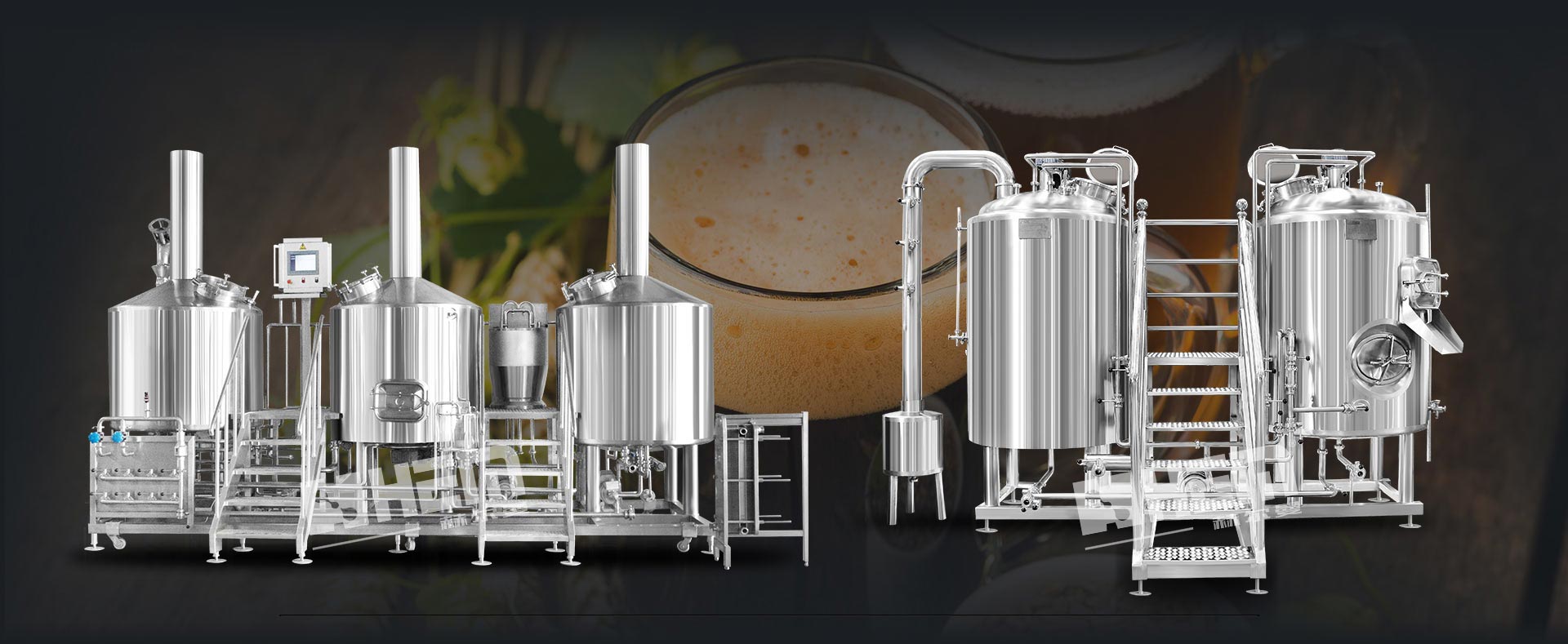
Craft beer equipment can improve beer flavors by giving brewers better control over temperature, oxygen, fermentation, and ingredient extraction. Modern systems can maintain fermentation conditions within about ±0.5°C, improve consistency, and help preserve hop oils and yeast-produced aromas. Research in brewing science shows that fermentation temperature changes of only 2–3°C can affect ester formation, alcohol balance, and aroma intensity. Equipment does not create flavor by itself, but it allows malt, hops, yeast, and water to perform more consistently.
Craft beer flavor depends on hundreds of chemical reactions that happen during brewing, fermentation, and aging. A beer may contain more than 800 volatile compounds, including esters, phenols, alcohols, and sulfur compounds that influence aroma and taste. Professional brewing equipment helps control the conditions where these compounds are formed, allowing brewers to produce beers with more stable flavor profiles.
“Better equipment gives brewers more control over the small changes that shape aroma, mouthfeel, and taste.”
During mashing, equipment affects how efficiently malt sugars are extracted. The mash temperature controls enzyme activity, especially alpha-amylase and beta-amylase, which determine the balance between fermentable and non-fermentable sugars. A difference of only 1–2°C can change the final beer body and sweetness.
Modern mash systems use automatic temperature monitoring and heating control to maintain stable conditions. Many commercial systems can keep temperatures within ±0.5°C, while traditional manual systems may experience larger variations. Better temperature accuracy helps breweries repeat recipes across multiple batches.
| Brewing Process | Equipment Function | Flavor Effect |
|---|---|---|
| Mashing | Precise temperature control | Controls malt sweetness and body |
| Boiling | Stable heating performance | Influences bitterness and aroma |
| Fermentation | Cooling and pressure control | Shapes yeast-derived flavors |
| Packaging | Oxygen reduction systems | Protects freshness |
The improvement in malt extraction also affects flavor development. Professional lautering systems can achieve extraction efficiencies of approximately 80–90%, depending on malt quality and process design. Higher extraction allows brewers to obtain more malt-derived flavors, including biscuit, caramel, bread, and roasted notes.
After sugar extraction, fermentation becomes the stage where equipment has a major influence on beer character. Yeast converts sugars into alcohol while producing aroma compounds such as esters and phenols. Different yeast strains require specific temperature ranges, and even small temperature changes can affect the final sensory profile.
Ale fermentation usually occurs around 18–22°C, while lager fermentation commonly takes place between 8–14°C. Stainless steel fermentation tanks with glycol cooling systems allow breweries to maintain these ranges throughout fermentation. Stable temperatures reduce unwanted flavors and help yeast produce more predictable aroma compounds.
A 2018 brewing study reported that fermentation temperature significantly influenced ester concentration in beer samples, showing that yeast metabolism changes under different temperature conditions. Professional temperature control allows brewers to adjust fermentation profiles according to the desired beer style.
“Yeast performance depends on the environment, and fermentation tanks control that environment.”
Fermentation vessel design also affects flavor quality. Stainless steel conical fermenters are widely used in craft breweries because they support yeast collection, pressure control, and easier sanitation. Compared with open fermentation methods, closed tanks reduce contact with external contaminants and limit unnecessary oxygen exposure.
Oxygen management becomes especially important after fermentation. Small amounts of oxygen can damage hop aroma and create stale flavors during storage. Research in brewing quality control shows that dissolved oxygen levels below 50 parts per billion are preferred by many breweries during packaging.
Professional filling systems, sealed transfer pipes, and carbon dioxide purging equipment help reduce oxygen pickup. By lowering oxygen exposure, breweries can maintain fresh citrus, floral, and tropical hop aromas for longer periods.
Hop character is another area where equipment influences flavor. Hop compounds such as myrcene, linalool, and geraniol create many of the aromas associated with modern IPAs. These compounds are sensitive to heat, oxidation, and processing conditions.
Brewing systems with accurate whirlpool temperature control allow brewers to add hops at lower temperatures, often around 75–85°C, instead of full boiling temperatures. This approach can preserve more volatile aroma compounds. Dry-hopping equipment also helps distribute hops evenly while reducing oxygen exposure.
| Hop Management Method | Typical Temperature | Flavor Result |
|---|---|---|
| Boiling addition | Around 100°C | Higher bitterness |
| Whirlpool addition | 75–85°C | More aroma retention |
| Dry hopping | Fermentation temperature | Fresh hop character |
Water chemistry is another factor connected with brewing equipment. Minerals such as calcium, sulfate, chloride, and magnesium influence bitterness perception, mouthfeel, and yeast activity. Professional systems often include water treatment equipment that allows brewers to adjust mineral levels for different beer styles.
For example, pale ales and IPAs often use water profiles with higher sulfate levels to create a sharper hop impression, while darker beers may require different mineral balances. Automated water control systems help maintain consistent brewing conditions across production batches.
Sanitation equipment also affects beer flavor because microorganisms can change the taste of finished beer. Bacteria such as Lactobacillus and wild yeast strains may produce unwanted acidity or unusual aromas when they enter production systems.
Clean-in-place (CIP) systems are commonly used in commercial breweries to clean tanks, pipes, and valves without manual disassembly. These systems can reduce cleaning time by approximately 30–50% compared with some manual cleaning procedures while improving cleaning consistency.
“A clean brewing system protects the original recipe from unwanted microbial changes.”
As breweries increase production volume, equipment design becomes more important. A recipe developed on a 100-liter system may not taste identical when produced at 1,000 liters because heat transfer, mixing, and oxygen exposure change with scale.
Professional brewing systems are designed to keep important conditions similar between small and large batches. Automated controls, sensors, and data recording systems allow brewers to compare production records and adjust processes when needed.
A 2022 industry survey of craft breweries showed that many producers increased investment in automation and monitoring systems to improve consistency as production expanded. Equipment upgrades help maintain flavor quality while increasing output.
Digital monitoring has also changed how breweries develop recipes. Modern systems can record temperature curves, pH levels, fermentation speed, gravity changes, and other brewing information. Brewers can review previous batches and adjust recipes based on measured production data.
Some automated brewing platforms can store thousands of production records, allowing breweries to compare results over several years. This approach is widely used by breweries producing seasonal beers, limited releases, and large-scale commercial craft brands.
| Equipment Feature | Brewing Improvement |
|---|---|
| Automated temperature control | More stable fermentation |
| Closed transfer systems | Lower oxygen exposure |
| Digital monitoring | Easier recipe adjustment |
| CIP cleaning systems | Better sanitation consistency |
Craft beer equipment also supports experimentation with new beer styles. Brewers can test different yeast strains, fermentation temperatures, hop combinations, and aging methods while maintaining controlled production conditions.
Craft beer equipment also supports experimentation with new beer styles. Modern Turn-Key brewery solutions allow brewers to test different yeast strains, fermentation temperatures, hop combinations, and aging methods while maintaining controlled production conditions.
The growth of styles such as hazy IPA, barrel-aged beer, and mixed fermentation beer has increased demand for specialized equipment. These styles often require precise fermentation management and careful handling of aroma compounds.
Professional brewing equipment improves flavor quality by giving brewers better control over every stage of production. Malt, hops, yeast, and water still determine the basic character of beer, but equipment helps preserve their intended qualities through accurate temperature control, better sanitation, and reduced oxygen exposure. With suitable brewing systems, breweries can create more consistent and complex flavors while maintaining production efficiency.
Tu viens au prochain Barcamp ?
Une journée, zéro filtre, des idées qui restent. L'édition 2025 ouvre ses inscriptions.
Réserve ma place